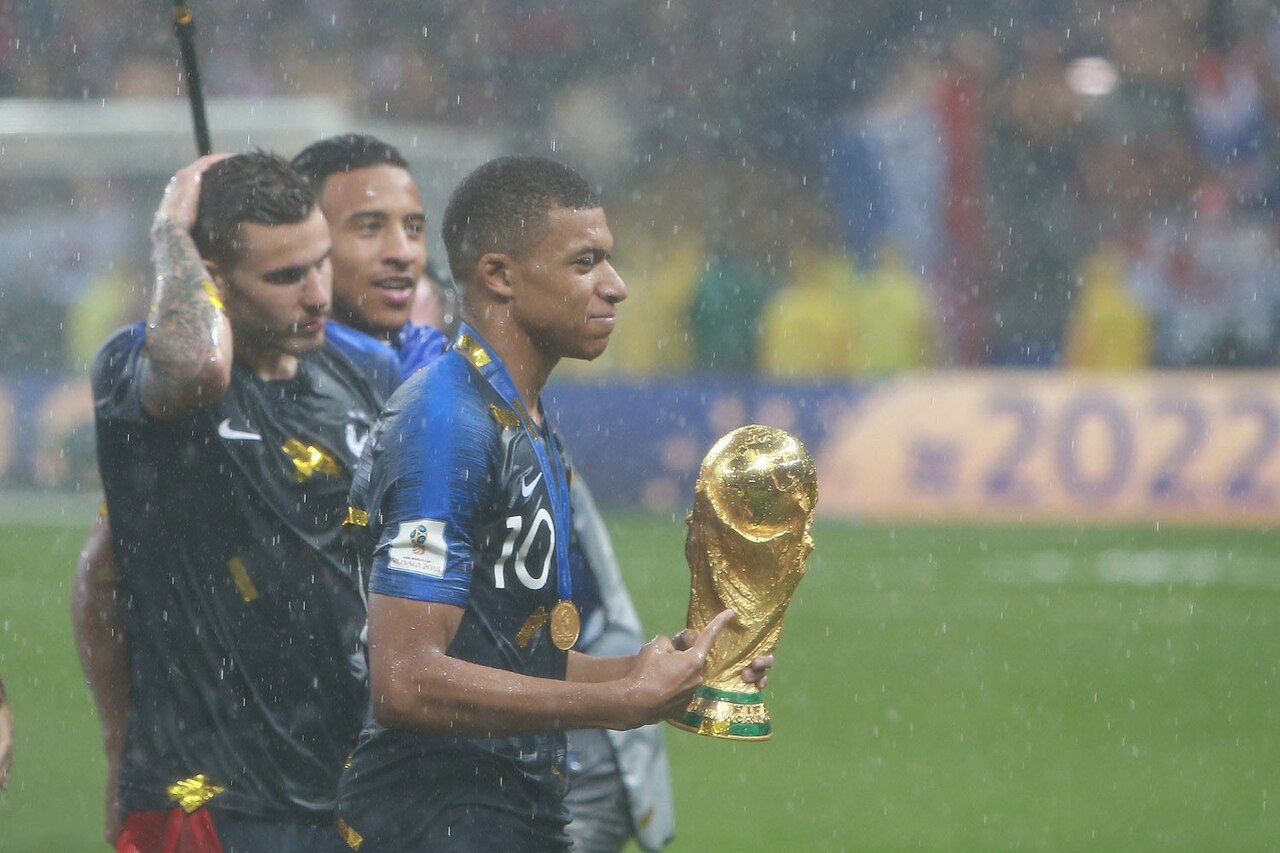
Kylian Mbappé has left Nike after 20 years, the brand that sponsored him since he was a child, to front Swiss sportswear company On’s first real move into football. The headline is the switch. The actual story is what he’s reportedly getting for it: not a bigger paycheck, but equity in the company itself.
A different kind of deal
Financial terms weren’t disclosed, standard practice for these arrangements, but multiple outlets report the deal gives Mbappé an ownership stake in On rather than a pure endorsement fee. That’s a meaningfully different structure. A boot contract is a cost on a company’s books, paid whether the brand’s stock goes up or down. Equity ties the athlete’s payday directly to the company’s success, which only works if both sides actually believe the partnership will move the needle.
On has done this before. Roger Federer took a stake in the company in 2019, years before Mbappé, and that relationship helped take On from a niche running brand to a public company that raised $746 million in its 2021 IPO and generated more than CHF3 billion (roughly $3.6 billion) in revenue in 2025. If Mbappé’s deal mirrors that template, On isn’t just buying a famous face, it’s betting his involvement compounds the way Federer’s did.
Why On is doing this now
Football boot sponsorship has been a two-brand game for decades. Nike and Adidas have controlled the market, with Puma, Under Armour, New Balance and Skechers picking up scraps. On is not trying to out-market Nike on Nike’s terms, it’s trying to buy its way into relevance with the single most recognisable player willing to leave the incumbent.
The timing matters too. Nike has now lost two of its most marketable young stars in two years: Lamine Yamal left for Adidas in 2024, and now Mbappé is gone as well. Nike still has Erling Haaland, whose contract extension with Manchester City this site has covered separately, but two high-profile departures inside 24 months is not nothing for a brand that used to be football’s default choice.
On is also not starting from zero. It hired Thierry Henry as director of football, working behind the scenes since late 2025, and its LightSpray manufacturing process is being adapted for boots ahead of a planned 2027 launch. Mbappé himself may be seen wearing early versions before then, according to reporting on the deal.
What Mbappé is actually betting on
For a player already among the world’s highest earners, walking away from two decades of guaranteed Nike income for an equity stake in a company that has never sold a football boot is a real bet, not a formality. It only pays off if On’s push into football actually works, and football is a far more crowded, more culturally entrenched market than running shoes ever were.
It also changes his incentives. An endorsed athlete wants the brand to look good. A shareholder-athlete wants the brand to be worth more, which can mean a longer, deeper involvement in product decisions than a typical boot deal ever required. On said as much: the company wants Mbappé’s “experience and perspective” in what it builds, not just his face on the box.
Why this matters
Sponsorship deals structured as equity rather than salary aren’t new in sport, but they’ve mostly lived in tennis, golf and individual endurance sports, where On itself already has Iga Świątek and Ben Shelton. Football’s sponsorship market is bigger and more conservative, dominated by two legacy giants who have never needed to offer anything more creative than a large check. If Mbappé’s stake in On performs the way Federer’s did, expect other challenger brands to start offering top players a piece of the company instead of just a bigger number on the contract. That would be a genuine structural shift in how football sponsorship gets priced, not just another celebrity boot deal.
The Wage Bill