Fenway Sports Group sold the Pittsburgh Penguins to the Hoffmann family at an enterprise value of $1.7 billion, according to Sportico. Weeks later, Sportico reported that the New York Islanders were selling roughly 15% of the club at an implied valuation of $3 billion. Both teams are bound by the same hard cap, which rises to a record $104 million for 2026-27. If payroll is capped at the same number for everyone, the $1.3 billion gap between those two deals has to come from somewhere else.
It does, and the answer is mostly about what the cap does not touch.
Two deals, one league
Start with the Penguins. FSG bought the club in late 2021 for $900 million and sold it for an enterprise value of $1.7 billion, a gain of roughly 89% before debt, fees and four years of operating results. That is the second-highest price ever recorded for an NHL sale, behind the $1.8 billion valuation in the 2024 Tampa Bay Lightning deal, per Sportico.
The Islanders number is different in kind. It is a minority stake, reported with an implied valuation, and it still needs league approval. Scott Malkin and Jon Ledecky bought the club for $485 million twelve years ago, so a $3 billion mark is about six times their entry price. It is also roughly 55% above the $1.93 billion Sportico put on the team a year earlier, and about 11% above the $2.7 billion in Sportico’s new rankings, published at the end of September. Minority stakes often price at a premium for the story as much as the cash flows, so the headline figure deserves a degree of caution.
What the cap equalises, and what it does not
A hard cap standardises the biggest cost line. Every club faces the same ceiling, and the league’s media money, now tied to its ESPN and TNT Sports agreements, is shared. That compresses the spread of outcomes on the spending side.
It does nothing for the revenue side that a club controls on its own. Ticketing, premium seating, naming rights, sponsorship and the building itself all sit outside the cap. Sportico’s latest valuations show the spread clearly: Toronto at $4.8 billion, the Rangers at $4.15 billion, the Canadiens at $3.8 billion, and the St. Louis Blues at the bottom at $1.7 billion. Twenty teams are now above $2 billion, and eight are above $3 billion.
The arena premium
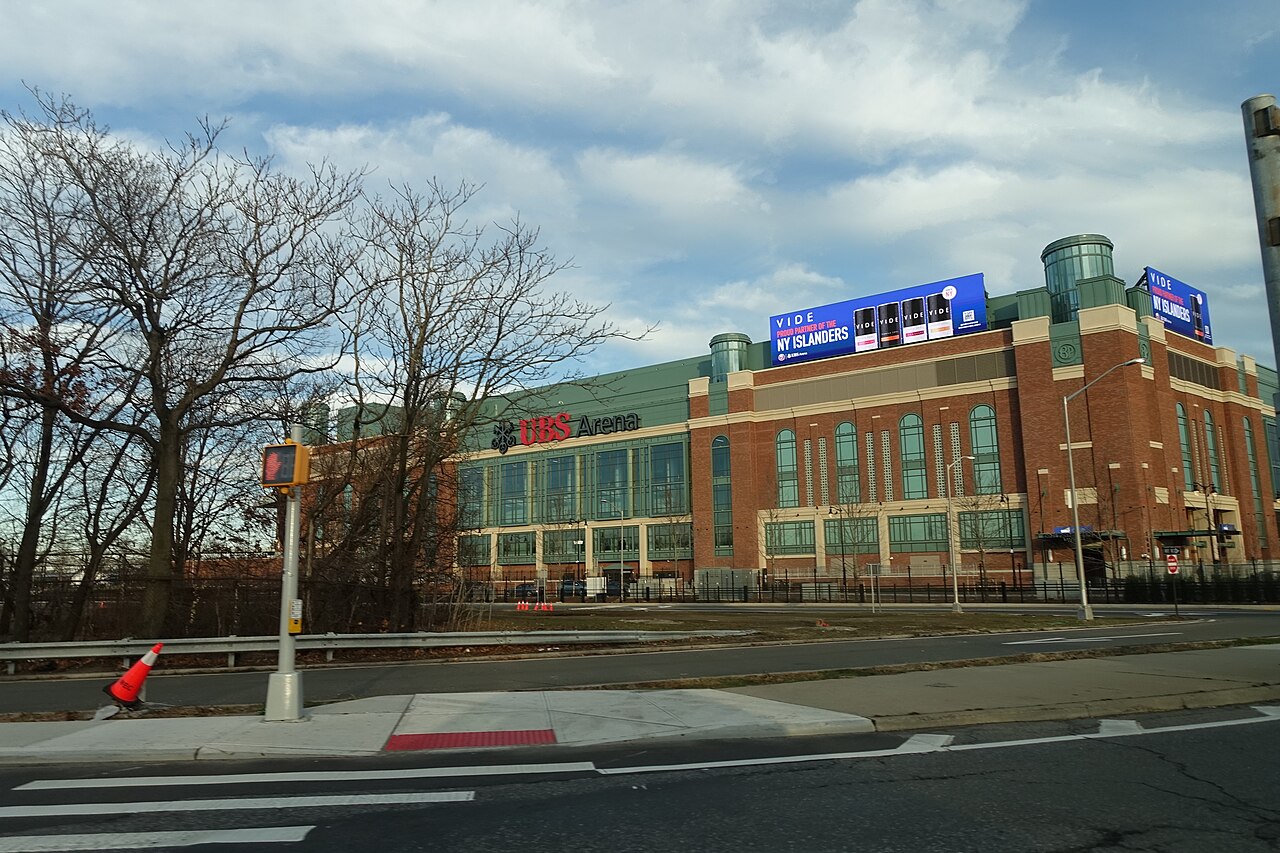
The Islanders’ case is a building story. UBS Arena in Elmont opened in November 2021 and cost more than $1 billion to build, per Field Level Media. The club’s valuation rose about 40% in the latest rankings even though the team missed the playoffs for a second straight season in 2025-26. A rising valuation attached to a middling team is what a venue-driven revenue model looks like.
The Penguins sit at the other end. Sportico’s latest valuation put them at $1.75 billion, up just 3%, the weakest growth in the league. A sale price close to that figure suggests the buyer paid roughly what the club was already thought to be worth, not a premium for future upside.
The cap keeps rising, the gaps may not close
The cap is heading higher. The league and players’ association agreed in early 2025 to lift it to $104 million for 2026-27, and further increases are scheduled. Rising caps are funded by rising revenue, and rising revenue is largely shared. Revenue that clubs generate individually is where the valuation spread widens, because that is the part a new arena or a better lease can change.
For owners, this is the appeal of the model. The cost side is predictable, the shared revenue grows, and the upside from a well-run building belongs to the owner alone. We covered the players’ side of the same system when the escrow rebate hit a record. The valuation gap is the owners’ side of that bargain.
Why this matters
A hard cap is often described as a tool for competitive balance. It is also a tool for financial balance, in a specific sense: it makes the spending side of a franchise predictable enough that investors can price the rest. Once payroll is a known number, the argument over value moves to the building, the market and the local media deal.
That is why a $1.7 billion sale and a $3 billion stake can coexist in the same league without either looking mistaken. They are pricing different things. The Penguins deal prices a club under a capped system. The Islanders figure prices a venue with a club attached. As the cap rises and shared revenue grows, the clubs with the strongest independent revenue will keep pulling away in value, even if their payrolls never do. It is the same pattern we saw when the Lakers sold for $12.5 billion, though in a far smaller league.
The Wage Bill